

Lesson 1: History of Photography
Tuborial by

Lesson 1: History of Photography
Lesson Objective: I can identify the stages of photography and explain how Wales played an important role in the early history of photography.
What are some important stages of photography?
In order to capture the perfect picture, there are a few steps we will need to take:
- Planning
- Shooting
- Editing
- Presentation
Mindful Activity 1
History of Photography
Photography in Wales has very strong routes, due to our rich landscapes and history.
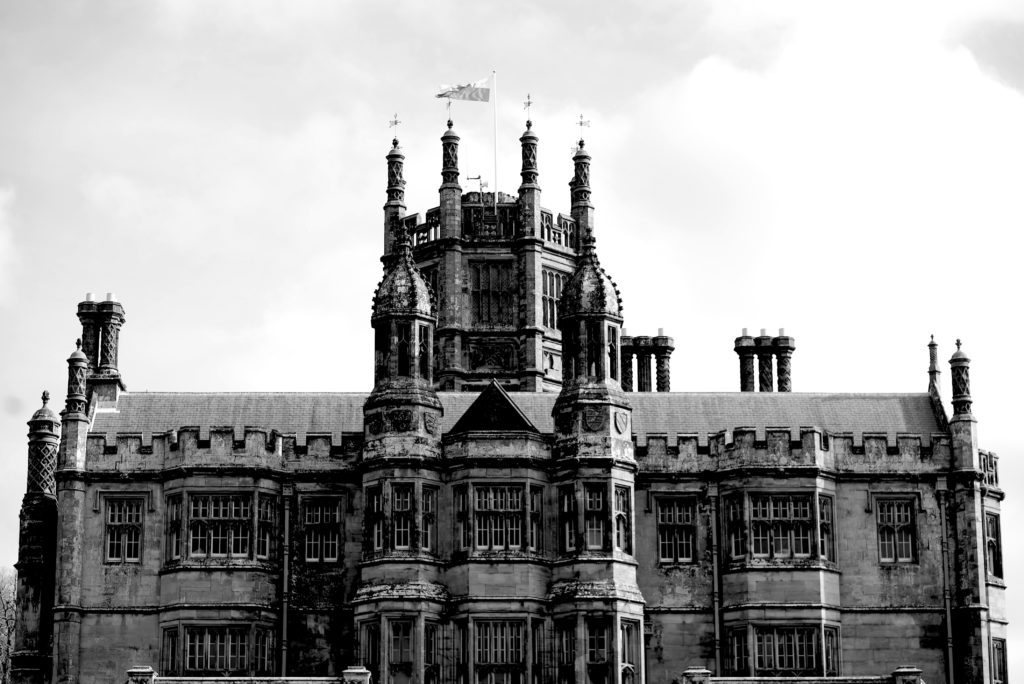
Margam Park, was the home of many famous early photographers who were early pioneers in pinhole photography.
The Dillwyn Llewelyn family had strong connections to Margam and the surrounding area in Neath Port Talbot. During the early years of photography, estates like Margam Park provided ideal locations for photographers to experiment.
With its:
- Open landscapes
- Historic buildings
- Natural features like trees, water and gardens
 |
 |
|
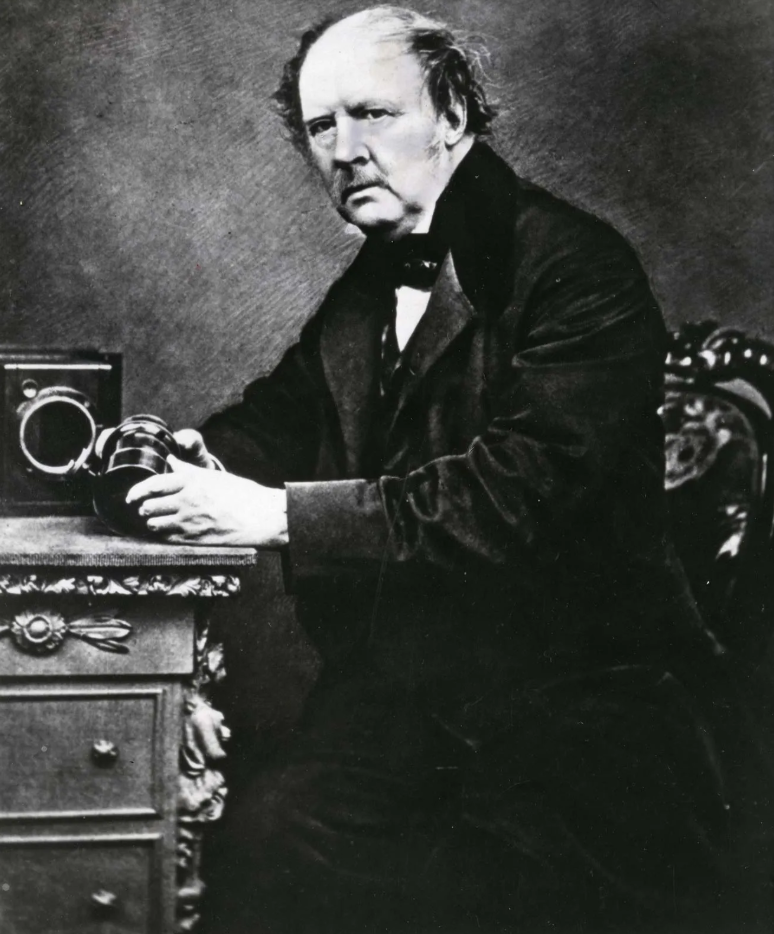
William Henry Fox Talbot (1800 – 1877) was an English scientist and inventor who helped create photography as we know it today. He developed the calotype process, which allowed multiple copies of a photograph to be made from a single negative. Although Talbot did not live in Neath Port Talbot, he worked closely with people in South Wales, sharing ideas and techniques that helped photography develop in this area. |
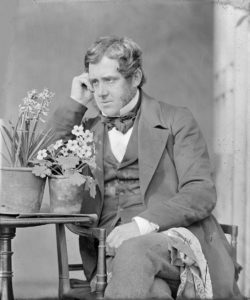
John Dillwyn Llewelyn (1810 – 1882) was a Welsh scientist, photographer and landowner who lived in South Wales. He was part of an influential family connected to industry, science, and culture in the region. He lived at Penllergare Estate near Swansea, where he carried out many of his photographic experiments. His lifestyle allowed him time and space to explore photography, science, and nature. His achievements are:
|
 |
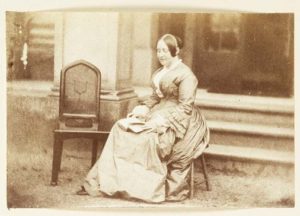 |
|
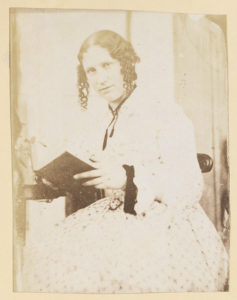
Mary Dillwyn (1816 – 1906) is recognised as one of the first female photographers in Wales. She is known for:
Her work is important because it shows a more personal and creative side of early photography, at a time when most images were very formal. |
Emma Dillwyn Llewelyn was closely connected to the early development of photography through both her family and her marriage to John Dillwyn Llewelyn. She was involved in the photographic process, including:
Although fewer of her images remain, she played an important role in the development and practice of photography within the family. |
Examples of their work
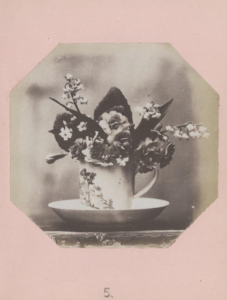 |
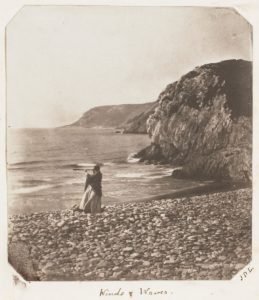 |
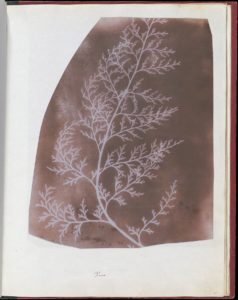 |
|
Lily of the Valley Mary Dillwyn |
Winds and Waves John Dillwyn Llewelyn |
Wrack William Henry Fox Talbot |